
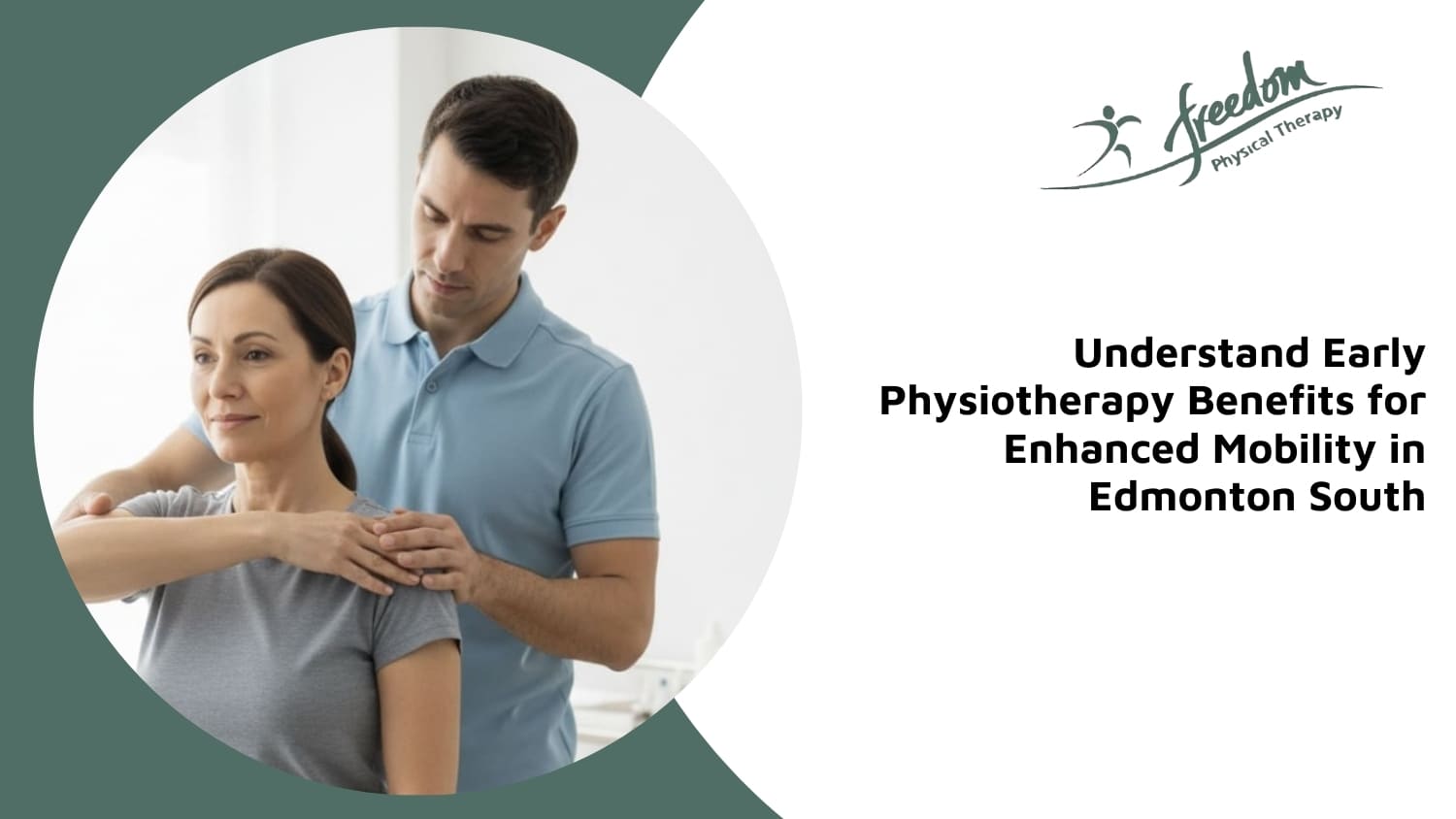
Why mobility and comfort matter—and what you can do early on
When your body moves well, life is easier. Walking across the room, getting outside with your kids, or finishing a workout without pain—these are all things most of us expect from our bodies. But when those small aches show up or when movement becomes just a little harder, it’s worth paying attention. At Freedom Physical Therapy, we meet a lot of people who wish they had started treatment sooner. Not because they missed a clear injury, but because they ignored stiffness in a knee, tightness in the lower back, or a twinge during regular activities. These are often the first signs that something’s off. Addressing these early can make recovery faster, easier, and more effective in the long run.
Recognizing the early signs of movement issues
You don’t need a major injury to benefit from physiotherapy. Often, your body sends subtle indicators before pain becomes constant or mobility becomes limited. The sooner you notice these signs and act on them, the better your outcome. Watch for signs like:
- Stiffness in joints first thing in the morning or after sitting
- Aches that linger after activity
- Muscle tightness that doesn’t ease with rest
- Reduced balance or slower reflexes than usual
- Decreased range of motion—for example, difficulty fully raising your arm or turning your neck
Ignoring early symptoms can allow small issues to turn into longer-term conditions. These can take more time—and resources—to address later. Prompt care through early physiotherapy gives you a chance to interrupt this cycle.
Understanding early physiotherapy benefits
Starting physiotherapy at the first signs of discomfort leads to better outcomes. Here’s what current research and clinical experience tell us:
- Early physiotherapy supports faster pain reduction by managing inflammation and restoring movement before the body compensates in unhealthy ways.
- It helps prevent chronic conditions by improving biomechanics, posture, and muscle balance before dysfunction becomes habitual.
- Structured early rehab boosts your chances of maintaining long-term mobility and resilience.
According to a clinical study tracking early versus delayed therapeutic intervention, participants who began physiotherapy within the first few weeks of symptom onset had faster symptom relief and improved long-term function. The National Institutes of Health also notes that starting physiotherapy early often leads to less use of medications and better return-to-activity timelines.
Patient-centered care: A tailored approach
No two bodies move the same. That’s why effective physiotherapy is never one-size-fits-all. When you start early, your physiotherapist has more flexibility to build a plan that fits your goals—whether that’s running again, playing on the floor with your kids, or walking without pain by the end of your workday. Here’s what you can expect with patient-centered care:
- Thorough assessment to understand your body’s movement patterns and identify compensation strategies
- Clear explanation of what’s causing your symptoms and what needs to change
- Personalized recovery goals based on how you want to move and feel long-term
- Ongoing communication so your care plan adjusts as you progress
Clinical guidelines, such as those from Monash University, emphasize that early-stage physiotherapy tailored to individual needs improves compliance and long-term outcomes.
Practical steps to starting early physiotherapy
If you’re starting to notice subtle pain or limited movement, here’s how to take action:
- Book an initial assessment. This includes a full body review and movement screen, not just focusing on what hurts.
- Discuss your daily life and goals. Your physiotherapist will design your plan with your routines in mind.
- Get hands-on care that makes a difference. Immediate interventions like manual therapy, mobility work, and guided exercise can relieve symptoms quickly.
- Follow structured home programming. Consistency builds resilience between sessions.
Starting treatment early also means potentially fewer sessions, faster progress, and lower impact on your day-to-day schedule. You can learn more on our services page about how we support patients with hands-on care and guided recovery plans tailored to your lifestyle.
Strengthening resilience through structured rehab
One of the most important parts of early physiotherapy is building strength. Once you’re out of pain or moving more freely, it’s not the end—it’s the beginning of long-term resilience. Key benefits of structured rehabilitation include:
- Strengthen surrounding muscles to support joints and prevent reinjury
- Improve movement efficiency to reduce compensations
- Rebuild balance and coordination
- Understand your movement patterns so you can self-manage better
Here’s a simple comparison of early vs. delayed physiotherapy outcomes:
| Factor | Early Physiotherapy | Delayed Physiotherapy |
| Pain reduction | Sooner and more sustainable | Slower pain relief, risk of chronic issues |
| Functional gains | Improved mobility maintained over time | Limited scope of recovery |
| Number of sessions | Usually fewer needed | Often more and longer duration |
Want to know how to stay strong after physiotherapy? Explore tips for supporting your rehab plan through daily movement, rest, and long-term activity planning.
Take control today—Take action while it’s easier
The best time to act is when problems are still small. If you’re wondering whether what you’re feeling “is bad enough” to need help, the answer is: talk to someone skilled. You don’t need to wait for pain to limit your lifestyle. At Freedom Physical Therapy, we’re here to assess what’s really going on, explain it clearly, and build a recovery plan around your actual goals. We focus on movement that lasts—not quick fixes. Call or book online today to take the first step toward moving freely again.
FAQs
What are some early signs that I might benefit from physiotherapy?
You might have discomfort that shows up after sitting, tightness after your usual workout, or decreased range of motion. These are early signs your body could use skilled support.
How does early physiotherapy contribute to better long-term mobility?
Early treatment prevents compensation, supports tissue healing, and improves function before patterns become ingrained. It also gives you useful tools and exercises to stay strong.
Can I combine physiotherapy with other health practices to improve my mobility?
Yes. Physiotherapy works well alongside strength training, massage, and medical care. Our team will help coordinate your care and recommend what supports your goals best. Ready to move better? Let’s make a plan that puts your life—not your pain—at the center.

Meet Andrew, an experienced Physiotherapist and the Director of Marketing across five clinics in both Edmonton and Calgary. Born and raised in Edmonton, Andrew holds a Bachelor of Science in Kinesiology and a Master of Science in Physical Therapy from the University of Alberta. His passion for movement and recovery is rooted in his experience as a former sprinter on the University of Alberta Track team, where he specialized in the 100m.
Andrew is driven by a mission to empower his clients, equipping them with the knowledge and tools they need to achieve their physiotherapy goals. With a strong emphasis on education, he incorporates a diverse range of techniques, including dry needling, manual therapy, joint mobilizations, tailored exercise programs, and personalized treatment plans. His philosophy centers on active rehabilitation, encouraging clients to take an active role in their own recovery.
